

ASG Aerospace sees ramp-up translating into supply chain demand as aircraft deliveries hit 8 year high
The global aerospace recovery has moved into a new phase of acceleration.
Latest data from ADS has confirmed that 2025 marked the strongest year for aircraft deliveries since 2018 — and early 2026 figures from the world’s largest OEMs reinforce that trajectory. According to ADS, 1,411 aircraft were delivered in 2025, a 25% increase on 2024. Orders climbed even faster, rising 50% year on year to 2,175 aircraft. This pushes the global backlog to 16,371 aircraft — equivalent to more than 13 years of production at current rates.
ASG Aerospace, a mid-sized Tier 1 supplier to leading global OEMs, is seeing these trends drive order-book growth.
“We are seeing the ramp-up translate into strong operational demand,” said Simon Weston, CEO of ASG Aerospace. “Rate increases are flowing through into scheduling, forecasting and long-term capacity planning conversations with our customers.”
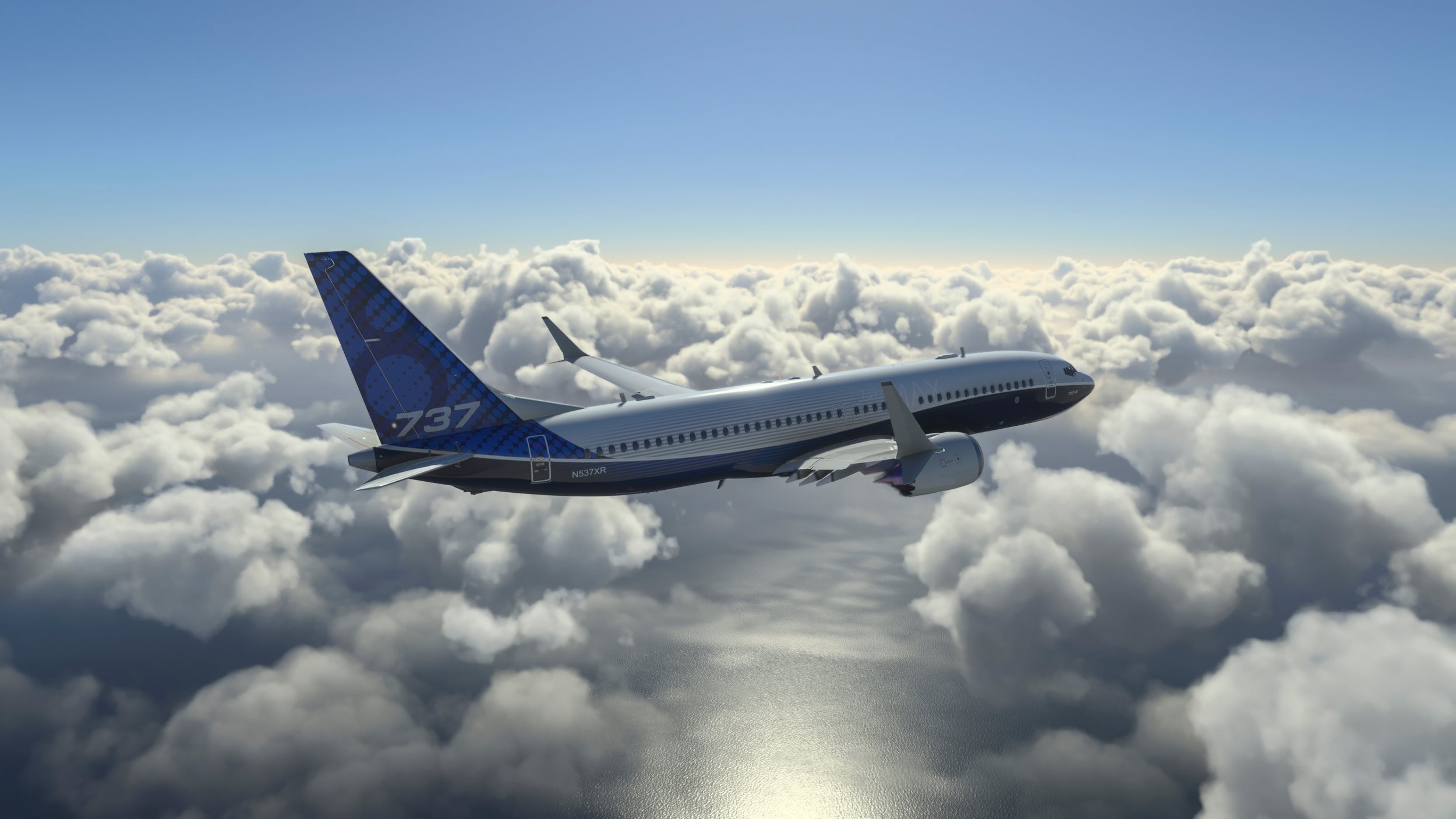
2026 delivery performance illustrates that momentum and single-aisle aircraft continue to dominate demand. 37 Boeing 737 aircraft were handed over in January alone, while Airbus deliveries were centred on the A320neo family.
That concentration aligns with the broader airline strategy of prioritising fuel-efficient, short- and medium-haul growth as global passenger volumes continue to recover.
For ASG Aerospace, which supports most civil aerospace platforms, the narrowbody emphasis is particularly significant.
“The single-aisle market is clearly driving near-term production,” Weston said. “What we’re seeing is sustained pressure on delivery performance, quality and responsiveness. That emphasises the importance of supply chain stability and operational discipline.”
Boeing booked 30 new orders in January from Air India alone, representing a major commitment for 737 aircraft. The airline’s order reflects confidence in long-term growth across India and South Asia and for Tier 1 suppliers, such order announcements extend visibility well beyond immediate production cycles.
“The backlog position gives long-term confidence,” Weston noted. “When you have more than 16,000 aircraft in the global order book, that creates a strong foundation for investment. OEMs need partners who can scale reliably and absorb volatility without compromising standards.”
ASG Aerospace has previously highlighted resilience and responsiveness as central to its operating model. These themes are increasingly relevant as OEMs balance ambitious rate targets against lingering supply chain fragility.
“Over the past few years, the industry has had to rebuild rhythm after unprecedented disruption,” Weston said. “Now the challenge is about controlled acceleration. The supply chain is critical to ensuring that production increases are sustainable.”
The ADS report suggests that the second half of 2025 ran ahead of even the association’s most optimistic forecasts, with deliveries exceeding its high-growth scenario. For ASG Aerospace, the growth environment is reinforcing the value of strong Tier 1 positioning — close enough to OEM decision-making to anticipate rate changes, yet agile enough to respond quickly.
“We operate in safety-critical, technology-led markets,” Weston said. “Our customers expect performance consistency, transparency, product safety and technical depth. As volumes rise, those fundamentals matter more than ever.”
With Boeing and Airbus each holding backlogs equating to roughly a decade of production, and airlines continuing to commit to fleet expansion, the aerospace sector is on a growth trajectory. For suppliers embedded within that ecosystem, the message is clear: recovery has evolved into expansion, and execution will define who captures the opportunity.