

Boeing–Alaska Airlines order signals confidence in single-aisle growth and long-haul ambition
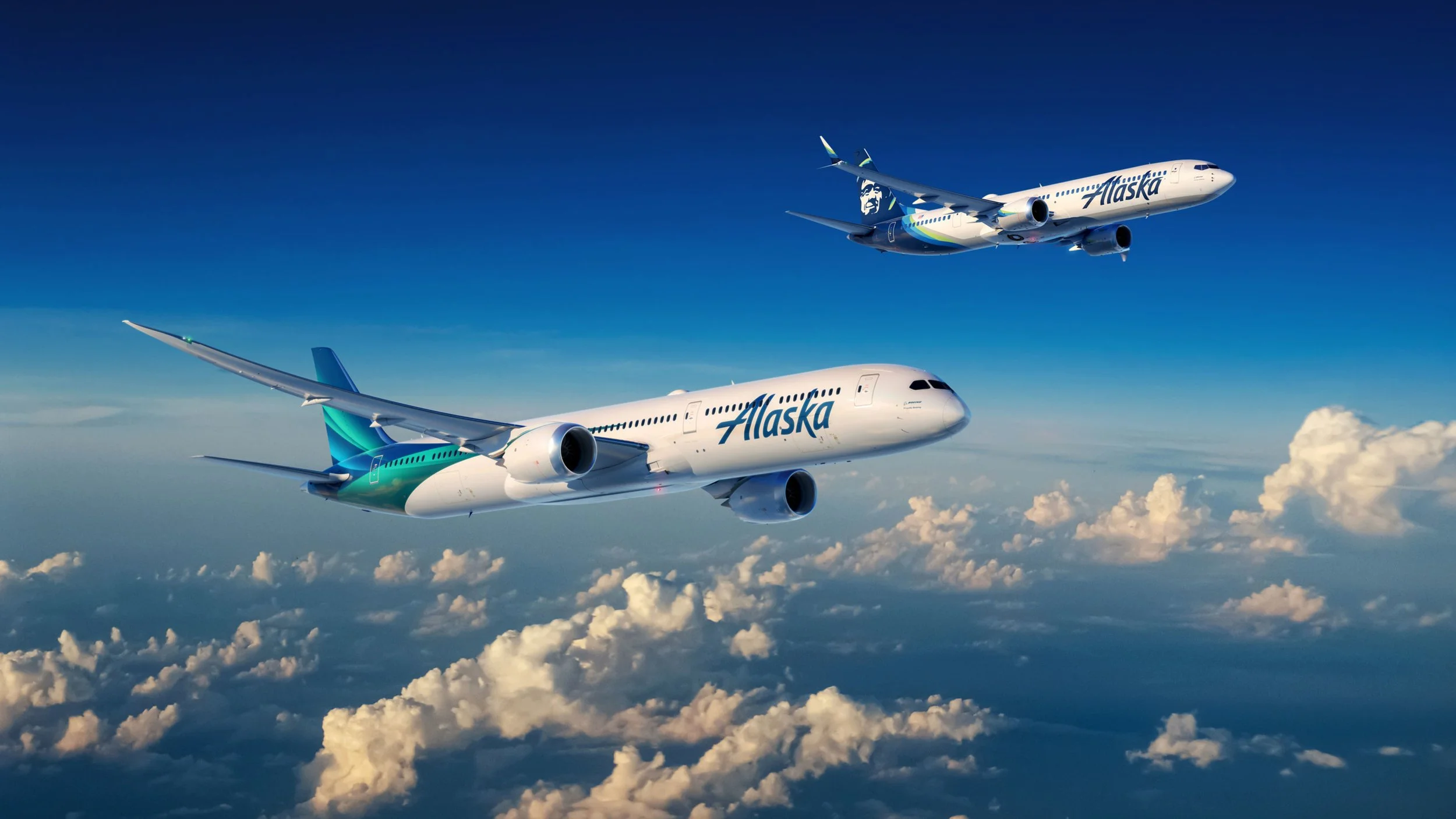
The aerospace supply chain received a strong vote of confidence this month as Boeing and Alaska Airlines announced the largest aircraft order in the airline’s 94-year history.
The agreement includes 105 737-10 aircraft, with options for a further 35, alongside five 787 Dreamliner widebody jets. The deal lifts Alaska Airlines’ backlog to 174 aircraft and supports a long-term strategy to grow high-density domestic routes and expand international services to Europe and Asia.
For Boeing, the order marks a milestone in a partnership that began more than 60 years ago with the delivery of a 727 in the 1960s. For the wider aerospace manufacturing base, it reinforces the central role of the 737 in global fleet renewal and increasing demand for fuel-efficient widebody aircraft as long-haul travel continues to recover.
Alaska Air Group chief executive Ben Minicuccidescribed the order as a foundation for “steady, scalable and sustained growth”, citing the efficiency and flexibility of the 737-10 and the range and passenger appeal of the 787. Boeing Commercial Airplanes president and CEO Stephanie Pope called it “a historic airplane order”, reflecting Alaska’s performance and long-term confidence in Boeing’s commercial programmes.
For ASG Aerospace, a long-standing supplier to Boeing programmes, the announcement carries significance beyond the headline numbers. It highlights the cumulative nature of aerospace progress, where design decisions made today shape production volumes, supply-chain demand and industrial investment for decades. At this scale, reliability is not a differentiator. It is a prerequisite.
Simon Weston, CEO of ASG Aerospace, said the order underlines why consistency and fundamentals matter in aerospace manufacturing.
“Aircraft programmes like this succeed because thousands of engineering decisions are executed correctly, repeatedly and at scale,” Weston said. “That’s what reliability really means in aerospace — doing the right thing, every time, over long production runs. Orders of this size reinforce the importance of supply-chain partners who understand precision, process control and long-term programme discipline.”
The 737-10, the largest variant of the 737 family, is designed to deliver the lowest cost per seat of any single-aisle aircraft, supporting airline growth while reducing fuel burn and emissions. Its continued momentum highlights the strategic importance of high-rate single-aisle production and the need for supply chains that deliver quality and traceability without disruption.
At the same time, Alaska’s investment in additional 787 Dreamliners signals confidence in widebody travel and global connectivity, even as the industry balances sustainability targets, capacity planning and geopolitical uncertainty.
“For UK and European manufacturers,” Weston added, “these programmes provide continuity. They enable long-term investment in skills, automation and quality systems with confidence that demand will follow. Reliability cuts both ways — airlines need dependable supply, and manufacturers need dependable programmes to justify sustained investment.”
As Boeing and Alaska Airlines enter the 60th year of their partnership, the scale of this order serves as a reminder that modern aerospace still rests on first principles: engineering rigour, repeatability and partnerships across the supply chain.
For ASG Aerospace, supporting platforms of this significance aligns directly with its core value — delivering reliable product on time and at scale