

Global Aircraft Orders Signal Enduring Strength in Aerospace
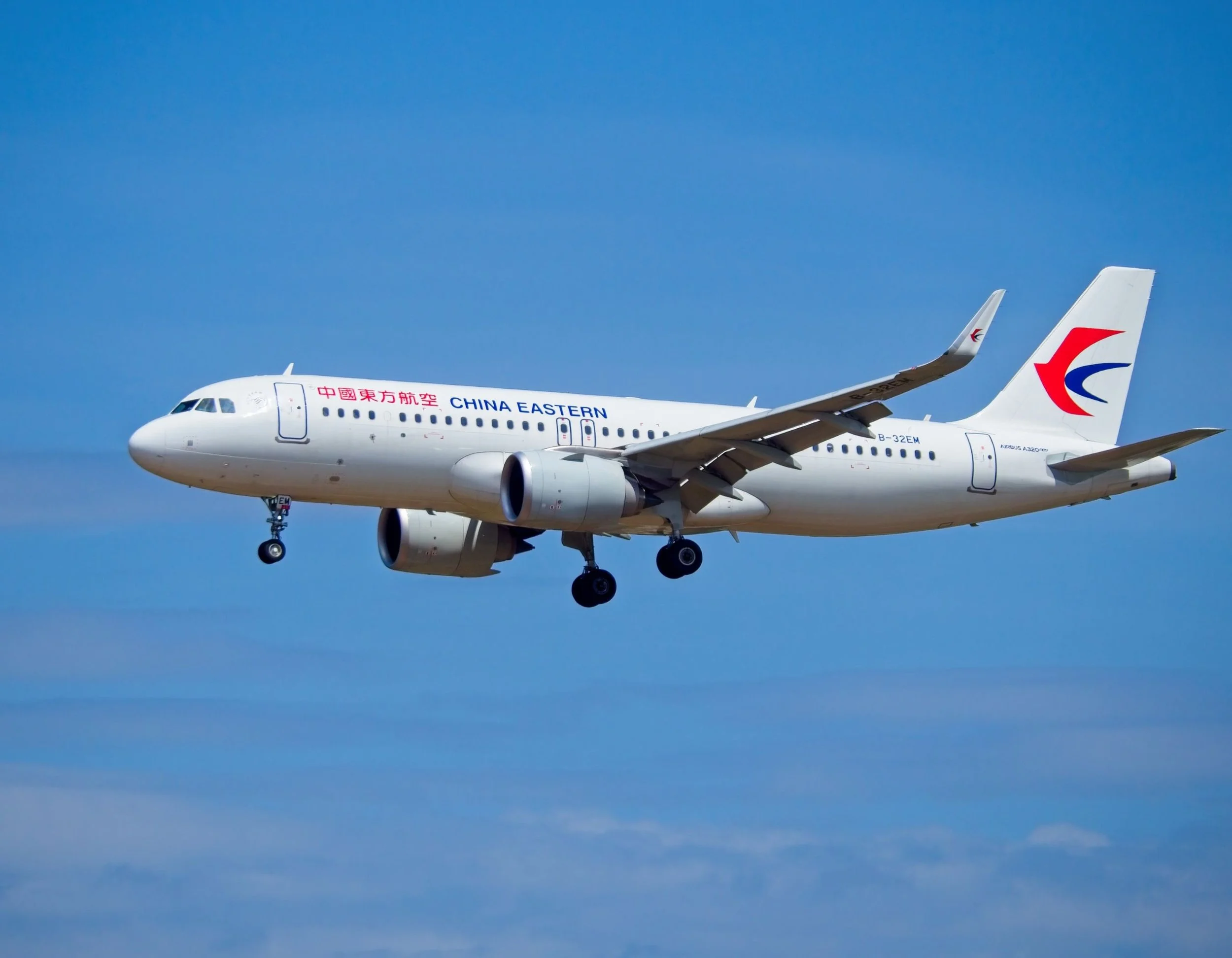
The global aerospace sector has received another clear endorsement of its long-term resilience, as fresh multi-billion-dollar aircraft orders from Asia reinforce the scale and durability of demand facing the industry.
In the space of just 48 hours, two of the world’s largest carriers have committed to significant fleet expansion programmes—decisions that extend well into the next decade and underline a shared confidence in the future of air travel.
China Eastern Airlines has agreed to purchase 101 Airbus A320neo aircraft in a deal valued at approximately $15.8 billion, with deliveries scheduled between 2028 and 2032. Almost simultaneously, Korean Air confirmed plans to acquire 103 Boeing aircraft through to 2039, spanning widebody, narrowbody and freight platforms.
Taken together, these orders represent a coordinated signal from major global operators that capacity growth, fleet modernisation and efficiency gains remain firmly on the agenda.
Airframe manufacturers Airbus and Boeing sit at the visible end of these announcements. Behind them lies a deeply interconnected global industrial base—precision engineering, advanced materials, surface treatments and complex manufacturing capabilities that must scale in parallel.
Simon Weston, Chief Executive Officer of ASG Aerospace, sees the latest orders as part of a broader, sustained trend rather than a short-term uplift.
“This is another vote of confidence in the underlying strength of global aerospace,” he said. “What we are seeing is not a spike in demand, but a continuation of long-cycle commitments from airlines that are planning capacity, efficiency and fleet renewal many years ahead.”
“The reality for the supply chain is that these decisions set the tempo,” Weston continued. “They reinforce the need for reliability for investment, and for operational resilience. Customers expect delivery certainty, quality and capability at scale—and that expectation only increases as order books grow.”
The composition of the orders is equally telling. Both airlines are investing heavily in next-generation, fuel-efficient aircraft, reflecting a dual focus on operating economics and environmental performance. The A320neo, B787 and B777 platforms all represent incremental gains in efficiency, but also increased complexity in manufacturing and finishing processes.
For ASG Aerospace, this aligns closely with ongoing investments in capability across its UK and European sites—particularly in high-specification machining, advanced surface treatments and regulatory compliance.
“These programmes are technically demanding,” Weston said. “They require precision, repeatability and a level of process control that leaves very little margin for error. As a group, we’ve been positioning ourselves to meet exactly that requirement through a committed programme of investments across our European footprint.”
Crucially, these new orders build on an already substantial backlog for both Airbus and Boeing, extending production visibility well into the 2030s. For suppliers, this creates a more stable planning environment—albeit one that still demands agility in execution.