

Zeus: Decades of Precision, Built for the Age of Automation
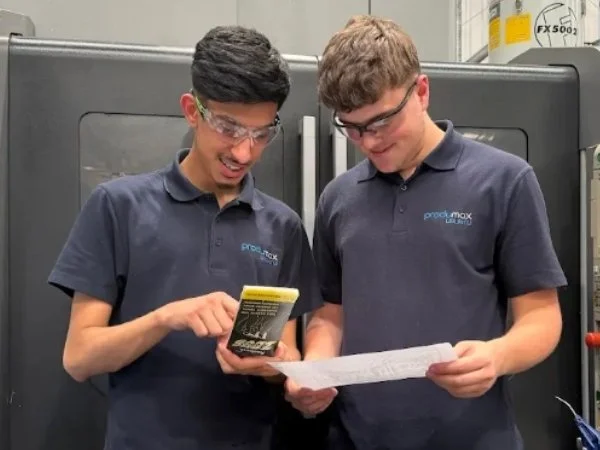
Every apprentice who has come through our doors has, at some point, had a copy of Zeus put in their hands. It is not glamorous. It is a small yellow booklet of drill sizes, thread tables, tapping drills, and conversion charts, the kind of thing that gets shoved in a coat pocket and never quite makes it back when you lend it out. But for decades it has been the quiet authority on precision engineering, the reference every precision engineer has reached for without a second thought.
It would be easy to assume a book like this has had its day. Automation now does much of the work that Zeus was once consulted for by hand, CNC machines hold tolerances and calculate co-ordinates that a precision engineer would once have worked out at the bench with this booklet open beside them. But that does not make the first principles behind those numbers any less important. Knowing why a tapping drill size is what it is, or why a fit tolerance is specified the way it is, is what allows someone to set up the work properly, programme it correctly, and understand the result rather than simply read it off a screen.
That is why Zeus still earns its place. As more of the work moves to machines, understanding the principles behind it matters just as much as it ever did. Zeus was never a manual for doing the work for you. It was always a manual for understanding it.
It is why we make sure our new engineering apprentices know it. Alongside time on the machines, they learn what the numbers mean and why they matter. That kind of grounding is what builds a resilient talent pipeline, engineers who can adapt as the tools change because they understand the principles underneath them.