

Countdown to Farnborough : A Throwback To the first Farnborough Airshow
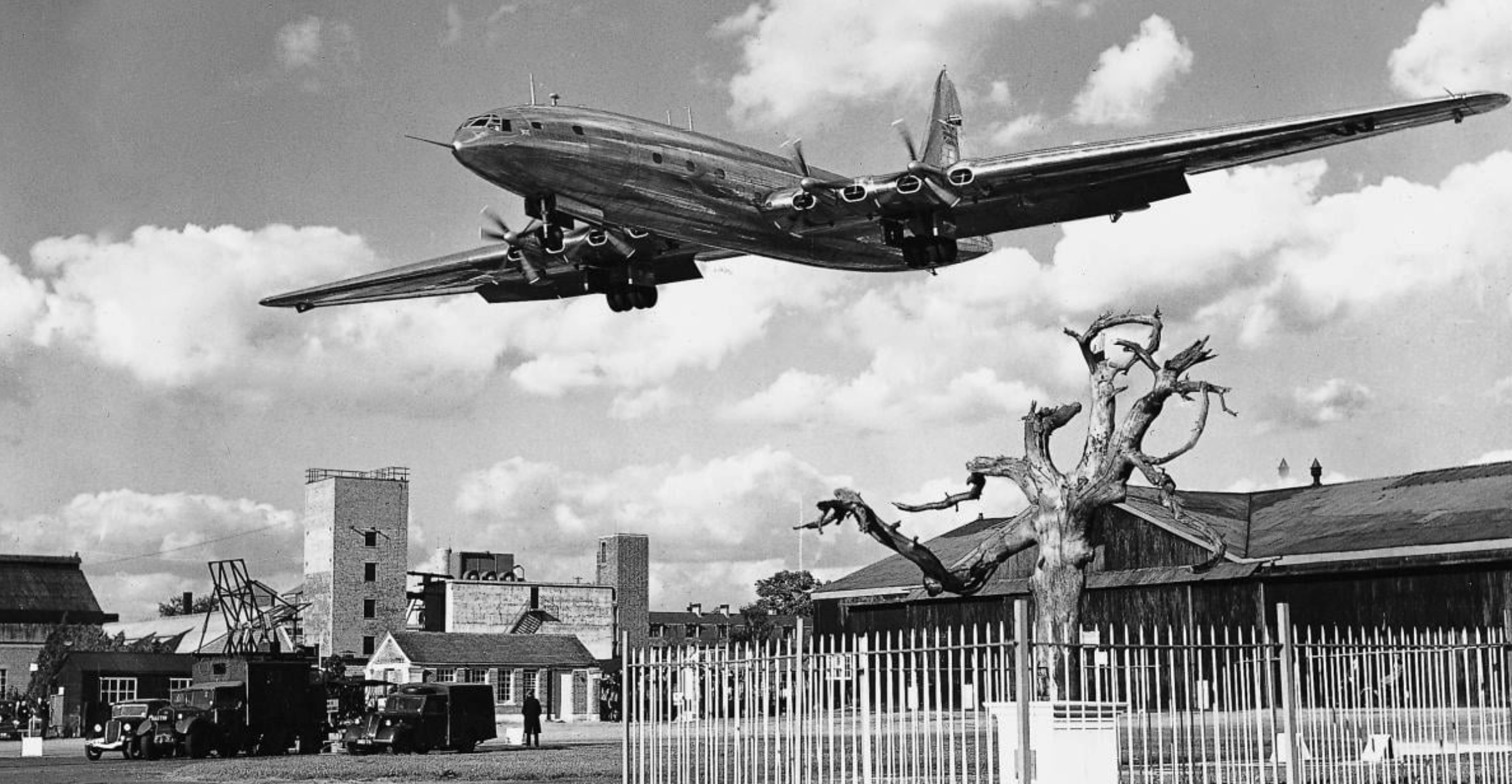
The first Farnborough Airshow opened in 1948 with 66 British-built aircraft, highlighting the UK's leadership in aviation. Nearly eighty years later, Farnborough is still a global hub, bringing together manufacturers, suppliers, and industry leaders.
Whilst the aircraft have changed, Farnborough's purpose remains committed to showcasing engineering excellence and building partnerships that drive the industry forward.
For ASG Aerospace, the airshow shows how the industry has moved from breakthrough design to advanced, large-scale manufacturing.
Gareth Richards, Group Director of Operations for ASG Aerospace, believes the history of Farnborough offers a reminder of what underpins every aerospace breakthrough.
"Those first airshows celebrated engineering innovation," said Aldridge. "Today, every new aircraft still relies on thousands of precision-engineered components and specialist manufacturing processes delivered by businesses throughout the supply chain."
At the second Farnborough Airshow in 1949, two icons of British aviation made their debut: the de Havilland Comet, the world's first commercial jet airliner, and the Bristol Brabazon, Britain's largest aircraft at the time. These aircraft reflected Britain's engineering ambition and helped make Farnborough a centre for aerospace innovation.
Today, as aircraft production ramps up, manufacturers are focused on innovation, quality, capacity, and resilience across complex supply chains.
ASG Aerospace will exhibit at Farnborough International a week today on the Midlands Aerospace Alliance stand in the UK pavilion, Hall 1, Stand 1320.
"Farnborough has always been about looking ahead," Richards said. "Today's conversations focus as much on manufacturing capability as on new technology. Customers want to know that suppliers can support future programs with the capacity, quality, and reliability they need. We're excited to represent ASG Aerospace at the show with the Midlands Aerospace Alliance."
As the industry prepares for the next generation of aircraft, Farnborough continues to be a showcase for innovation and a reminder that every aircraft relies on a supply chain that makes flight possible.